Last Updated on July 21, 2026 by Becky Halls
Contents
-
What is GPTBot (in plain English)?
-
How GPTBot actually works
-
GPTBot and SEO – Why it matters
-
The pros of letting it in
-
The cons nobody wants to talk about
-
Should you allow or block GPTBot?
-
How to block (or unblock) GPTBot
-
FAQs
What Is GPTBot (In Plain English)?
So what exactly is a ‘GPTBot’ and how does it affect SEO? Well, GPTBot is OpenAI’s web crawler — think of it like the AI version of Googlebot. It was launched in 2023 and has one job: to crawl public web pages and feed all that juicy content back to AI models like ChatGPT, Microsoft Copilot, and others so they can give better answers.
In other words, GPTBot is snooping around your site (politely, of course), learning from your content, and helping AI tools sound smarter and more helpful when people ask them questions.
Is it indexing your site for search rankings?
Nope.
Is it training AI to generate more accurate and insightful content?
Absolutely.
How GPTBot Actually Works
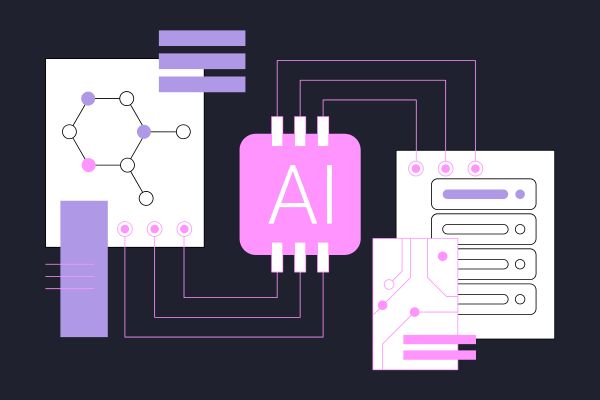
GPTBot behaves a lot like traditional search engine crawlers. Here’s its typical routine:
- Crawling: It browses public web pages — including your blog posts, landing pages, and anything not behind a login or paywall.
- Collecting: It grabs text, headings, metadata, and structured content to understand what your content is about.
- Feeding the Machine: It sends that info back to train AI language models. These models then use it to generate answers, summaries, and even new content — sometimes based on what you’ve written.
It’s always learning, always updating, and always hunting for fresh, relevant content to chew on.
GPTBot respects robots.txt and only fetches public pages, not anything behind logins or paywalls. It is separate from Googlebot and Bingbot, and it will skip any paths you disallow for GPTBot.
GPTBot and SEO: Why It Matters
Here’s where things get interesting. GPTBot doesn’t directly affect your traditional Google rankings. But — and it’s a big “but” — it might impact how and where your content shows up in the new AI-powered web.
Allowing or blocking GPTBot does not change Google or Bing indexing. Those crawlers run on their own, your normal search crawling stays the same.
Think about it:
-
When people ask ChatGPT or Microsoft Copilot a question, the answers are generated from AI models trained on content crawled by tools like GPTBot.
-
If your content is in that mix, it could be referenced, paraphrased, or even directly quoted in AI-generated answers.
-
That means more people might “see” your content — even if they never actually visit your website.
It’s a new kind of visibility — AI-powered visibility — and it’s already reshaping how we think about SEO.
The Upside: Why Letting GPTBot In Might Be Smart
✅ Reach New Audiences
Your content could appear in ChatGPT, Bing AI, Copilot, or any AI tool trained using OpenAI’s data. That’s exposure you can’t buy with AdWords.
✅ Brand Authority
If your content is clear, helpful, and relevant, it could influence AI responses — which makes you a quiet authority behind the scenes.
✅ Content That Keeps Giving
Unlike a blog post that gets buried in a feed, content used to train AI has longevity. If it’s good, it might keep showing up in AI answers for months (or years).
✅ First-Mover Advantage
SEO is changing fast. Allowing GPTBot gives you an edge over competitors who are still clinging to 2015 link-building strategies.
As 3Way.Social founder Ian Naylor puts it:
“Allowing GPTBot is like plugging your content into the future of search. You won’t always get the click, but you might become the answer.”
The Downside: What You’re Risking by Saying “Yes”
Of course, it’s not all sunshine and snippets. There are some valid concerns about opening the door to GPTBot.
⚠️ Zero-Click Risk
GPT-powered tools often provide complete answers — which means people might get what they need without ever visiting your site.
⚠️ Loss of Control
You can’t fully control how your content is used. It might be paraphrased out of context or presented without credit.
⚠️ Revenue Impact
If your business relies on traffic — for ads, affiliate sales, lead gen — losing visits can hurt your bottom line.
As 3Way.Social’s Becky Halls puts it:
“It’s a double-edged sword. Your content might show up in more places — but that doesn’t mean more clicks. You’ve got to decide what visibility really means for your brand.”
Should You Allow or Block GPTBot?
This is the million-pound question.
Here’s how to think it through:
🧠 Are you trying to grow visibility and brand recognition — even if traffic doesn’t spike right away?
If yes, allowing GPTBot might be worth it.
💰 Does your revenue depend on people visiting your site (e.g., ad revenue, affiliate links)?
If yes, tread carefully.
🔐 Do you publish premium or sensitive content you don’t want reused in AI tools?
Then you may want to block GPTBot and protect your IP.
📈 Are you future-proofing your SEO strategy for AI-driven search?
Letting GPTBot in could give you a head start.
There’s no one-size-fits-all. It’s about strategic alignment, not panic.
How to Block (or Unblock) GPTBot
✅ To Allow GPTBot (Default Setting)
If you haven’t blocked it, GPTBot can crawl your site. But if you previously restricted it and want to reopen the doors, update your ‘robots.txt’ file like this:
❌ To Block GPTBot
If you’ve decided GPTBot isn’t right for your site, you can stop it in its tracks by adding this to your ‘robots.txt’ :
You can be selective with GPTBot rules, not just all or nothing. Here are simple robots.txt patterns you can use.
Repeat these lines for other user-agents if you need separate rules.
Remember to test your file and keep an eye on logs or analytics to monitor crawling activity over time.
Verify Real GPTBot Traffic
Plenty of bots spoof user agents, so check the source.
- Find requests with the GPTBot user-agent in your server logs. OpenAI documents this user-agent string in its GPTBot page.
- Confirm the request IP is in OpenAI’s published GPTBot IP ranges. Only treat matches as legitimate GPTBot activity.
- Look for a recent fetch of /robots.txt from the same IP. That check shows the crawler honoured your rules.
- If the IP matches and robots.txt was fetched, it is genuine GPTBot. If not, assume it is a spoof and block as needed.
User-agent strings alone are not proof. IP confirmation is the key step.
Frequently Asked Questions (FAQ)
What is GPTBot again?
GPTBot is OpenAI’s web crawler. It scans websites to collect public content for training AI tools like ChatGPT.
Will a GPTBot and SEO help my Google rankings?
Nope — not directly. But if your content is featured in AI tools, that could boost brand awareness, backlinks, or shares, which may improve your overall SEO.
Will GPTBot increase my traffic?
Probably not — at least not in the traditional sense. AI tools often quote or summarise content without linking back. Visibility ≠ visits.
Can I see if GPTBot is crawling my site?
You can! Search for the GPTBot user-agent in your logs, then cross-check the IP against OpenAI’s published GPTBot ranges. Check that the same IP fetched /robots.txt recently, and record dates to track frequency. Check your server logs for the GPTBot user-agent, or use tools like Google Search Console to look at crawl activity.
Is it bad to block GPTBot?
Not at all. If your content is sensitive, monetised through visits, or you just prefer to keep it out of AI datasets, blocking is totally reasonable.
Does blocking GPTBot affect data sent to OpenAI’s API?
Robots.txt rules only control website crawling by GPTBot. OpenAI states API data is not used to train models by default unless customers opt in, which is separate from GPTBot controls.
Final Thoughts on GPTBot and SEO: Play It Smart, Not Scared
Whether you choose to allow or block GPTBot, what matters most is being intentional. This isn’t just about crawling — it’s about how and where your content shows up in the new AI-driven landscape.
If you’re building content to build trust, visibility, and relevance, GPTBot might help extend your reach.
But if your site’s value lies in tight content control and direct traffic, keeping the door shut could be the smarter move.
And hey — whatever you decide, you’re now one of the few people who actually knows what GPTBot is. That’s got to be worth something in 2025, right?
Need help shaping content that works for both people and AI?
You’re in the right place.
👉 Check out our link-building platform