The November 2026 core update is live: what to do with your content
Last Updated on November 23, 2026 by Becky Halls
Google started rolling out the November 2026 core update on 10 November, and if the full two weeks play out it wraps right around American Thanksgiving. So half the SEO world is staring at wobbling graphs during the one week retail traffic goes mad anyway… Fun timing!!
Before you rip your site apart, a reminder of what a core update is, and what it isn’t:
What this update actually is
A core update is Google re-weighing how it judges content quality across the whole web. It doesn’t target your site. There’s no penalty attached, and there isn’t one broken thing to go and repair.
Google’s own guidance has said for years that after a drop “there might not be anything to fix at all.” People hate that line because it reads like a shrug. But it’s pointing at something true. Your page didn’t get worse overnight. The bar around it moved, and now something more useful sits above you.
"Every core update, the panic is the same and the answer is the same. Build the most useful page on the topic and keep it that way. Everything else is noise you can't control anyway."
Worth knowing: Google has confirmed this is a regular broad core update, rolling out globally across all languages, and it’s the third core update of 2026. Treat the dashboard dates as your timeline and don’t judge anything mid-rollout.
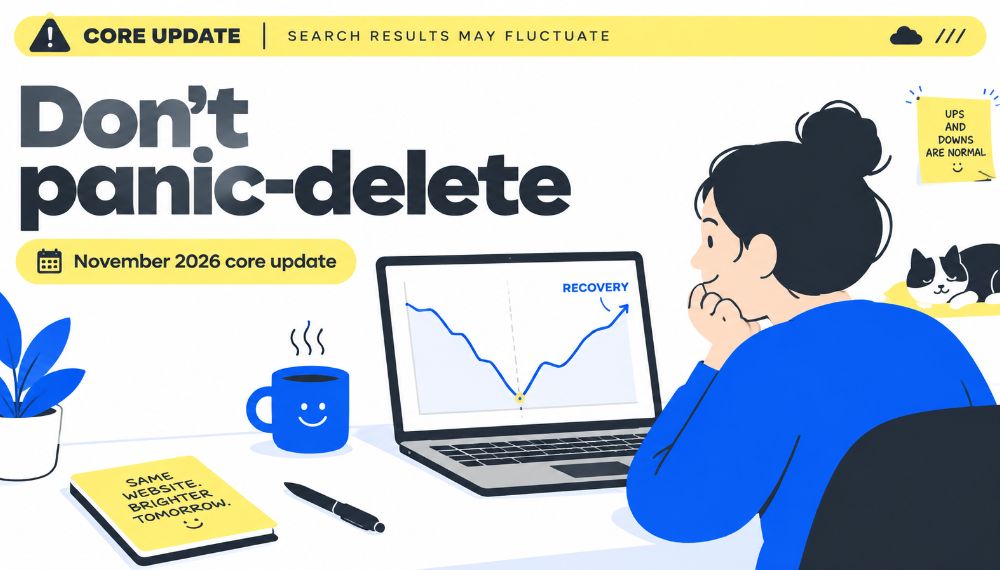
Resist the urge to panic-delete
Every core update, someone deletes a load of pages in a fright and makes things worse. Google’s updated guidance is clear that cutting content should be a last resort, because mass deletion often signals the content was built for search engines in the first place.
So step one is to do nothing drastic for a week or two. Save a baseline first. Export your Search Console performance data for the week before the update, 3 to 9 November works well, so you’ve got clean “before” numbers. Clicks, impressions and average position, by page and by query.
Then wait for Google to confirm the rollout is finished, give it a few more days, and only then compare. Judging a holiday-week spike against a rolling update will tell you nothing useful.
Find your decayed pages first
Most sites don’t need a rebuild. They need to deal with content decay: pages that once ranked well and have slid down over a year or two because the web moved and they stood still.
This is where the real opportunity sits, core update or not. HubSpot’s long-running “historical optimization” work lifted organic search views on refreshed old posts by an average of 106%. Refreshing a page that already has links and history is far better value than writing a brand new one from scratch.
How to find them:
In Search Console, sort by the pages that have lost the most clicks over the last 6 to 12 months. Cross-reference with pages sitting in positions 5 to 15 for terms you care about. Those are your quick wins, close enough to page one that a solid refresh can push them over.
Leave the pages with no traffic and no backlinks for now. Updating a post nobody visited and nobody linked rarely moves the needle. Spend your hours where there’s something to build on.
How to refresh a page so it earns the traffic back
A real refresh makes the page more useful than it was, and more useful than whatever’s outranking it. Changing the publish date and swapping one statistic won’t do that, and Google can tell.
Match what the search wants now
Search intent drifts. A query that wanted a definition two years ago might now want a comparison, a price, or a step-by-step. Go and look at what’s ranking today. If the top results are all detailed how-tos and yours is a 300-word overview, there’s your answer.
Add the experience Google’s looking for
E-E-A-T (experience, expertise, authority, trust) sounds like jargon, but the first E is the one most content skips. First-hand experience. The part a model can’t fake and a generalist can’t copy. Did you actually use the tool, visit the place, run the test? Put that in. Screenshots, your own numbers, the bit that went wrong.
The effort level is the point. Backlinko’s content update experiment produced 260% more organic traffic, one of several refresh case studies Portent pulled together. That came from a proper rewrite, not a date change. portent
Make sure Google actually re-reads it
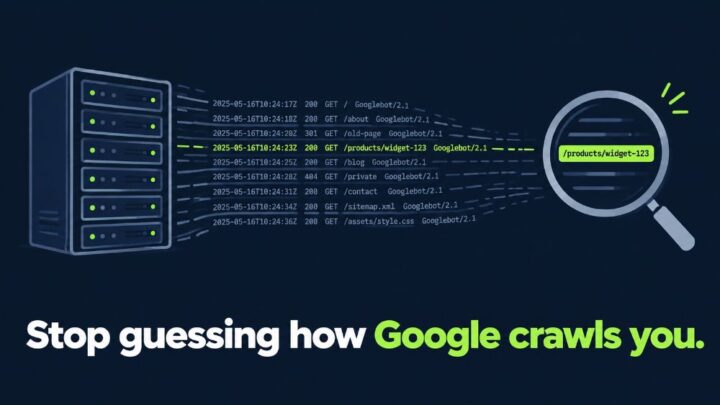
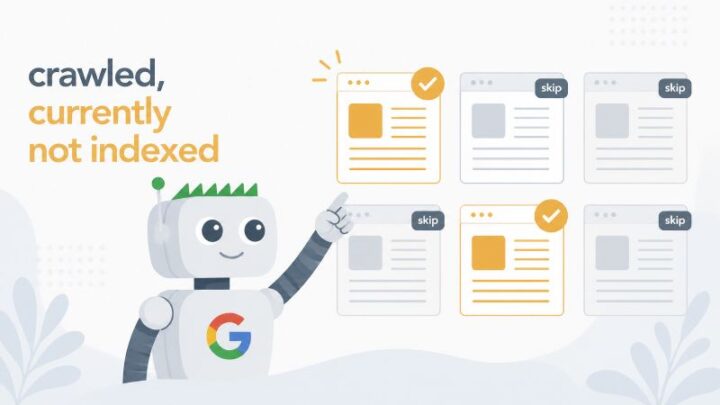
This is the bit people forget. You can write the best refresh of your life, and if Google doesn’t re-crawl and re-index the page, nothing happens.
"A refresh that never gets re-crawled is just a diary entry. Half the 'why hasn't my update worked' questions I get come down to the page being slow, blocked, or hidden behind JavaScript Google didn't bother rendering." Peter Fox, Head of Dev at 3Way.Social
Practical checks after a refresh:
Request indexing for the updated URL in Search Console so it’s re-crawled sooner. Check the page isn’t accidentally blocked in robots.txt or carrying a stray noindex tag. Make sure it loads fast and doesn’t hide the main content behind heavy JavaScript, because if the important text only appears after a script runs, Google may be slow to see your changes. Then update the internal links pointing at the page, so the refresh signal is obvious.
None of that is glamorous but all of it decides whether your work gets seen.
FAQ
Is the November 2026 core update a penalty?
No. Core updates re-assess content quality across the web. There’s no manual penalty and nothing aimed at your site specifically. If you dropped, something more useful moved above you.
How long until I know if I was hit?
Wait until Google confirms the rollout is complete, then give it a few more days. Comparing data mid-rollout, during a holiday traffic spike, will mislead you. Use your pre-update baseline.
Should I delete low-quality pages?
Only as a last resort, and only pages with no traffic and no backlinks and no real chance of ranking. Mass deletion can do more harm than good. Improve or consolidate before you cut.
Can I recover before the next core update?
Sometimes. Google has said you don’t always have to wait, because smaller updates run constantly. A strong recovery often does line up with a later update though, so be patient and keep improving.
What’s the single best thing to do right now?
Save your Search Console baseline, then find three decaying pages that sit just off page one and refresh them properly. That’s useful work whatever this update does.
Peter Fox heads the dev team at 3way.social, where he works on site performance, crawlability and the technical side of getting good content seen.