Internal Linking Best Practices for SEO

Use internal links to improve crawlability, distribute link equity, and boost UX—anchor text, site hierarchy, strategic placement, audits, and AI.

Use internal links to improve crawlability, distribute link equity, and boost UX—anchor text, site hierarchy, strategic placement, audits, and AI.

Social engagement fuels visibility that wins real backlinks—use targeted promotion, influencer outreach, and tracking to boost SEO.

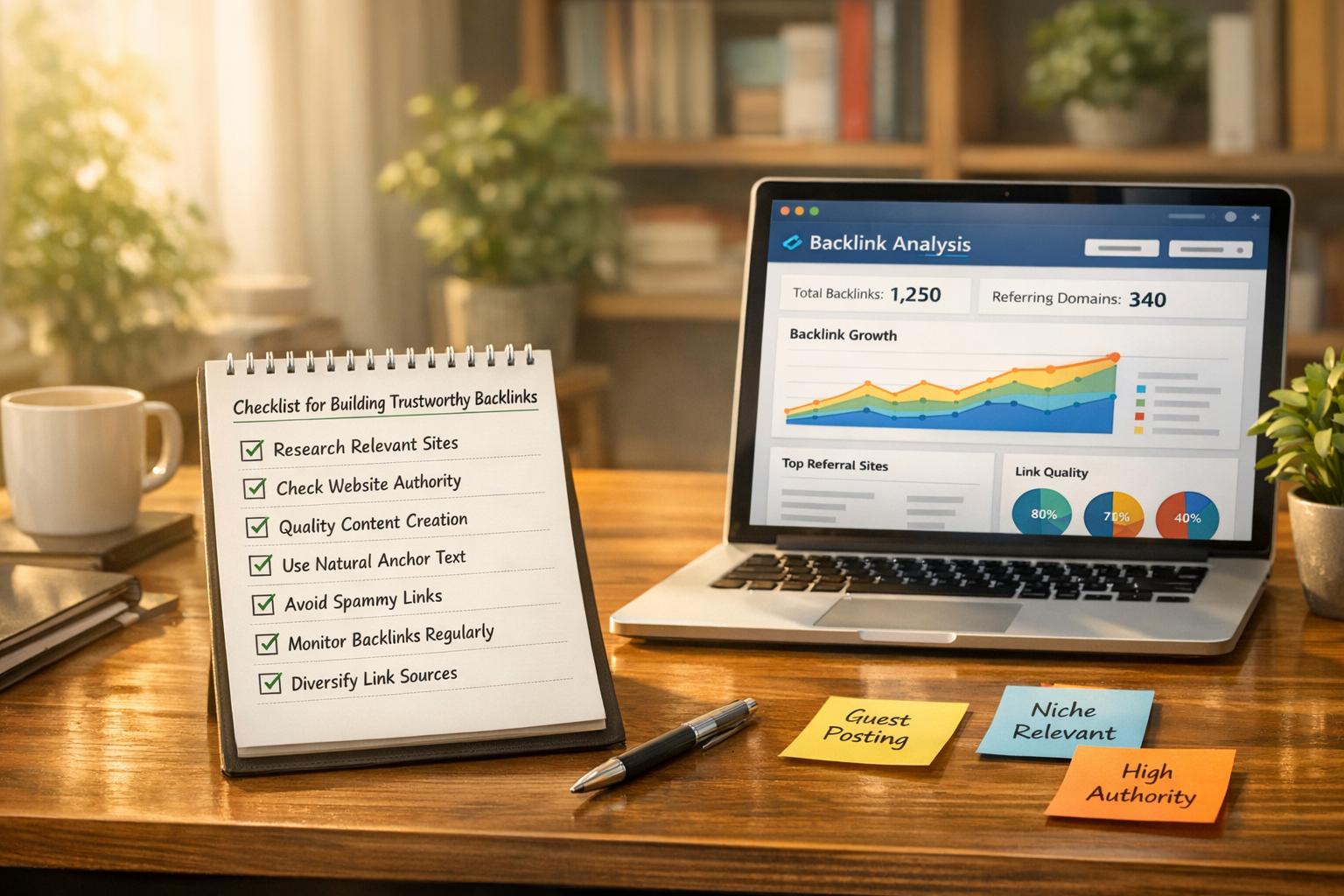
Step-by-step checklist for acquiring high-quality, relevant backlinks: vet domains, diversify anchor text, follow Google guidelines, and monitor links regularly.

Map competitors' backlinks in five steps to find high-value link opportunities and build a prioritized outreach plan.

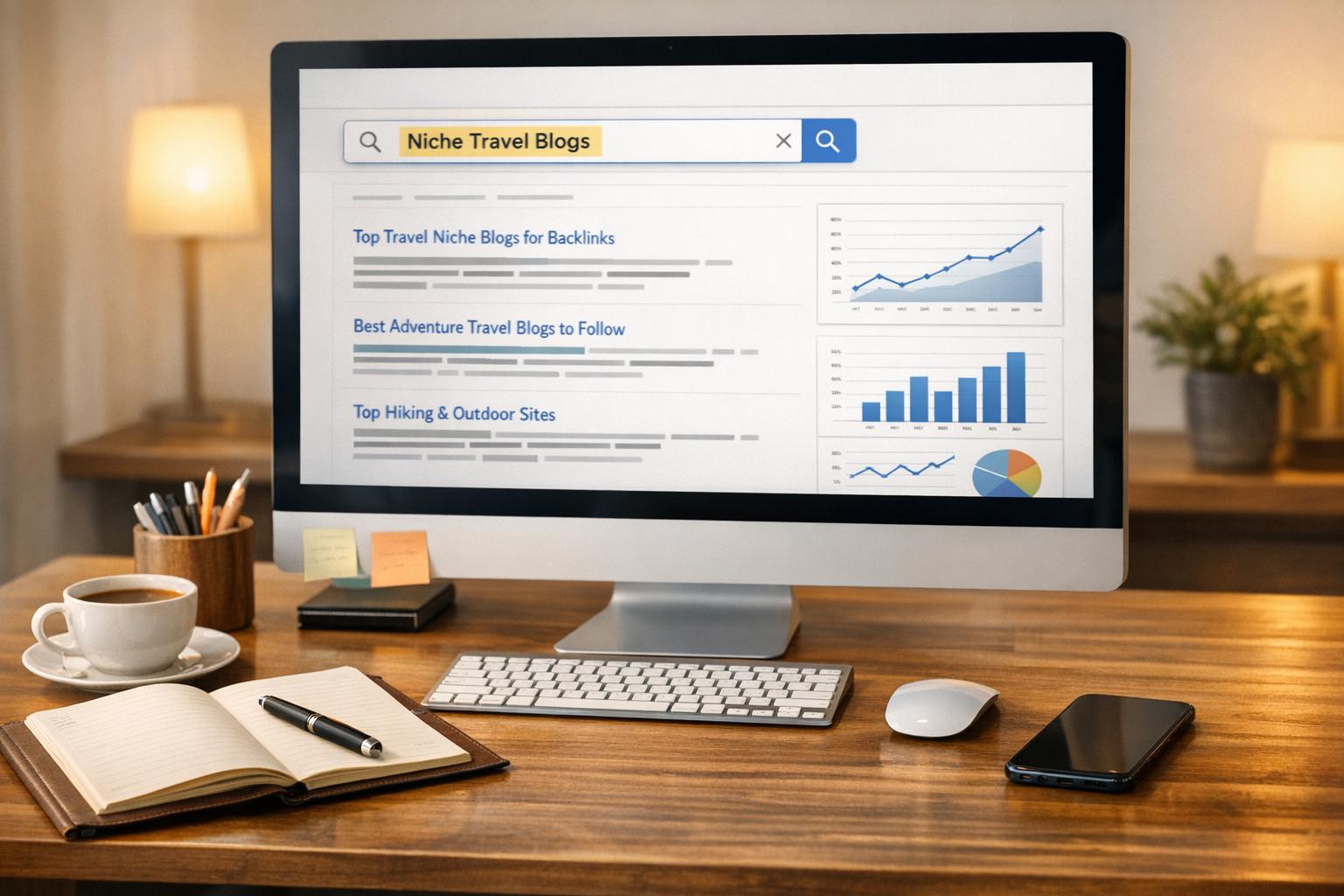
Learn proven methods to find and vet niche domains for link building using Google search operators, Ahrefs/Semrush, manual checks, and AI automation.

Contextual backlinks—links embedded in topically related content—boost SEO by improving topical authority, click-throughs, and reducing penalty risk.

Internal linking directs authority and, when built with topic clusters, power-page links, clear anchors, and automation, can drive significant traffic growth.

Ethical ABC (three-way) link building under Google’s 2025 rules: pick relevant partners, place in-content links, diversify anchors, and monitor link health.

Analyze competitor do-follow backlinks, prioritize high-value targets, replicate links ethically via outreach and tools, and track results to boost organic rankings.

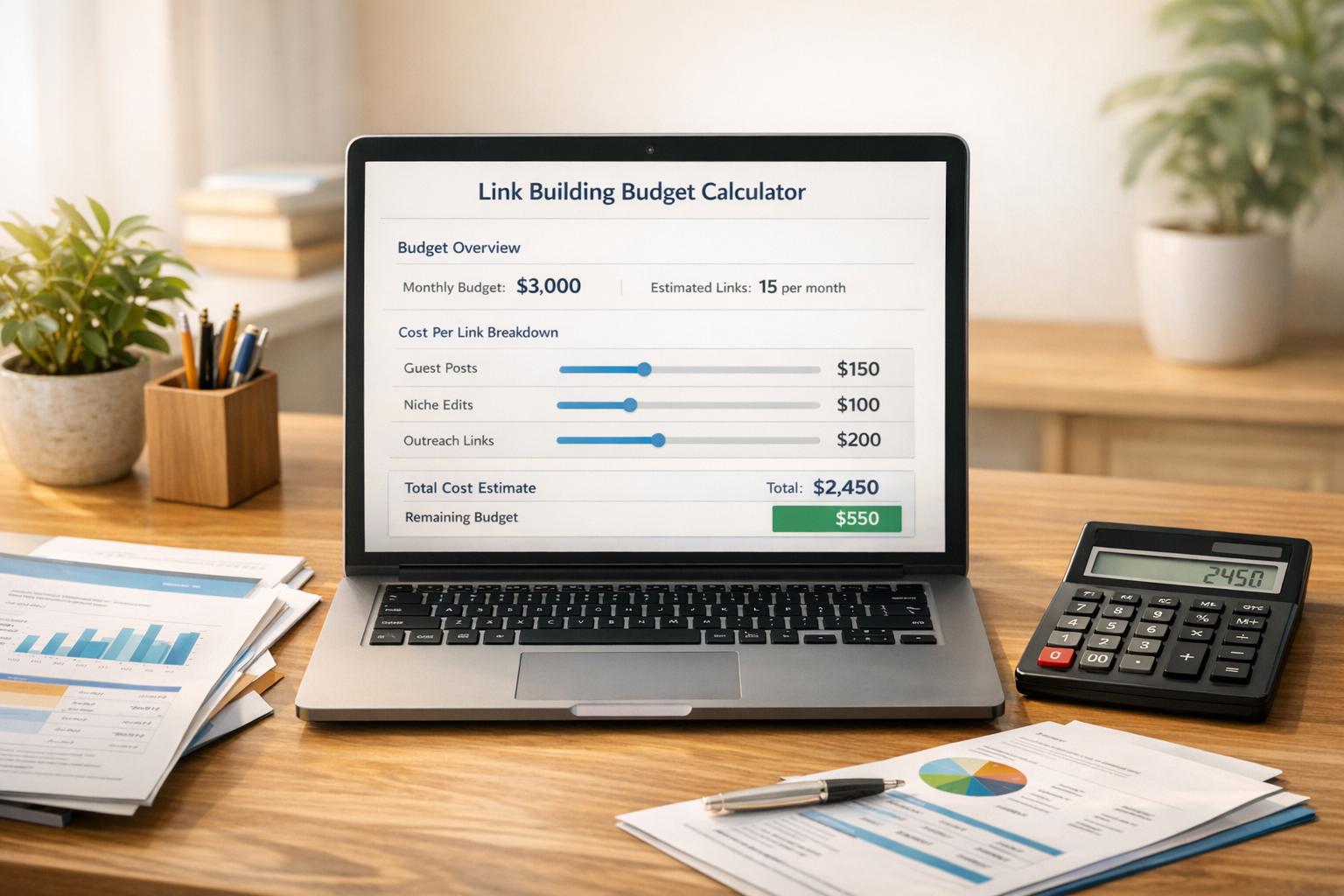
Plan your link-building campaigns with ease! Use our free calculator to allocate your budget, estimate costs, and maximize ROI on backlinks.