Link building outreach that actually earns a link in 2026
Last Updated on November 9, 2026 by Becky Halls
Most of your link building outreach is getting deleted before anyone reads past line one… I say that as someone who sends link outreach for a living, and who clears about forty pitches a day out of my own inbox.
The average cold email reply rate in 2026 sits at 3.43%, going by Instantly’s benchmark. So roughly 1 in 30 gets any reply at all, never mind a link. If the plan is to fire 500 near-identical emails and hope, the maths has already beaten you.
So, what actually works? This is what I do when I want a link from a site that matters:
Why so much link building outreach dies on arrival
There’s two reasons: The list is wrong, or the email is lazy.
Plenty of people still run outreach like it’s 2015. Scrape a thousand URLs, drop them in a tool, send the same template to all of them with {FirstName} swapped in. Editors clock that a mile off. They get dozens a week and bin the obvious ones in a few seconds.
And chasing raw numbers doesn’t pay the way people assume. John Mueller from Google said it clearly in a 2021 Search hangout: “the total number of links doesn’t matter at all,” and “the total number essentially is completely irrelevant.” One strong, relevant link can do more than fifty weak ones. So outreach was always about landing the few that count.
Pick fewer sites, and pick the right ones
Before I write a single email, I cut the list hard. The test is one question: would a real reader of this site actually care about the page I’m pitching?
If a parenting blog links to my client’s industrial flooring guide, that link looks odd to everyone, Google included. If a trade magazine your buyers already read links to it, that’s the one worth chasing.
So I sort prospects by relevance first, authority second. A mid-size site that’s bang on topic beats a big generalist site every time. Fewer targets, better fit, more effort per email. That’s the trade.
Personalisation past the first name
Dropping someone’s first name into a template is a mail merge, and editors read it as one.
Real personalisation means you’ve read the thing you’re emailing about. You reference the specific article, the broken link on page 4, the stat they’re using that’s three years old. It takes longer. It also works. Backlinko’s study of 12 million outreach emails found that personalising the message body lifted responses by 32.7%. That’s not a rounding error.
“I’d rather send 15 emails I’ve actually thought about than 150 I haven’t. The 15 get replies because the editor can tell I read their site. The 150 get marked as spam and wreck your sender reputation for the next campaign.” Becky Halls, Strategist at 3Way.Social
A quick way in: open the page you want a link from, find one concrete detail, and make that detail the first line of your email. Prove you’re a person who looked.
Give them a reason to say yes
Nobody links to you as a favour – They link because it makes their page better!
So the thing you’re pitching has to earn it. A stat their readers would want. A tool that saves them time. A guide that’s more useful than the dead link you spotted. If you’re doing broken link building, your replacement has to be at least as good as what used to sit there, ideally better.
When I can’t honestly say my page is worth the link, I don’t send the email. That sounds obvious – Most outreach ignores it completely.
The pitch, in plain terms
Keep it short. Four or five lines, tops. The shape I use:
One line on who you are. One line on why you’re emailing them specifically, with the detail that proves you read their site. One or two lines on the thing and why it helps their readers. Then an easy, low-pressure ask.
Something like:
“Hi Sam, I run content for [client]. Spotted that your warehouse safety guide links out to a HSE page that now 404s (the one under ‘flooring standards’). We published an updated breakdown of the 2026 rules last month covering the same ground. Happy to send it over if it’s useful. No worries either way.”
That’s it! No flattery, no 300-word life story, no five competing calls to action. Make saying yes easy!
Follow up once. Then let it go.
Most replies come after a nudge, so one follow-up is worth sending. Backlinko found a single follow-up increased replies by 65.8%. One. Not five.
After that, stop. Chasing someone four times doesn’t win the link, it just annoys a person you might want to pitch again next year. Move on and spend the time on a better prospect.
Why relevance matters even more right now
Google finished its September 2026 spam update over October, and the weeks since have been choppy, with unconfirmed ranking volatility and a lot of chatter while the industry waits on a core update that feels overdue. When things wobble like this, the risky patterns are the first to get burned: bulk marketplace links, exact-match anchors at scale, anything that looks bought.
The links that hold through all of it are the boring, relevant, earned ones. A handful of those beats a spreadsheet of 200 you’d be nervous to show anyone.
“Every time an update rolls through, the people who panic are the ones who built on shortcuts. If your links are relevant and you earned them honestly, a core update is a quiet week. Build the kind of link you’d be happy to explain to a Google engineer.” Ian Naylor, Founder of 3Way.Social
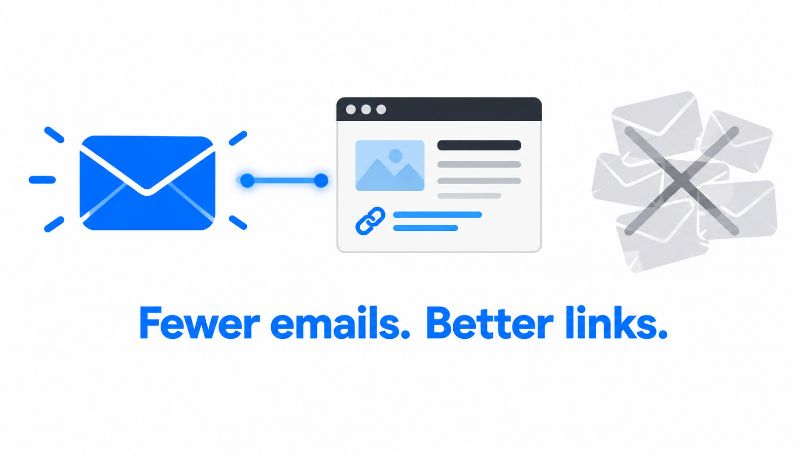
So send fewer emails, and make each one count. It’s slower, and it’s the version that still works when the algorithm gets twitchy.
Link building outreach FAQ
How many outreach emails should I send?
Fewer than you think. I’d take 20 well-researched, relevant pitches over 200 generic ones. Reply rates on cold email are low enough that volume alone won’t save a bad list.
What’s a good reply rate for link outreach?
The broad cold-email average is around 3.43%, so a tight, relevant, personalised campaign should beat that comfortably. I aim for well into double figures when the targeting is right. If you’re below the average, the problem is almost always the list or the template.
Should I automate outreach?
Automate the admin. Keep a human on the thinking. Tools are fine for finding prospects, tracking replies and scheduling a single follow-up. The email itself still needs someone who read the site. Fully automated, fully templated outreach is what’s dragging reply rates down.
Is guest posting still part of this?
Yes, if it’s a real editorial placement on a relevant site, pitched properly. The paid, templated, “we accept guest posts” version is exactly what the spam updates keep catching. Same rules apply: relevance, a reason to say yes, a short honest pitch.
How long should I wait before following up?
Three to five working days. Long enough that you’re not nagging, short enough that your first email is still near the top of their inbox. One follow-up, then leave it.
What about anchor text in outreach links?
Let the site owner choose the wording, or suggest something natural like your brand or the page title. Asking for an exact-match keyword anchor is a flag, and after this autumn’s volatility it’s a flag I wouldn’t wave.
By Becky Halls, Strategist at 3way.social. I spend my weeks pitching links for clients and deleting bad pitches from my own inbox, which is a useful way to learn what works.